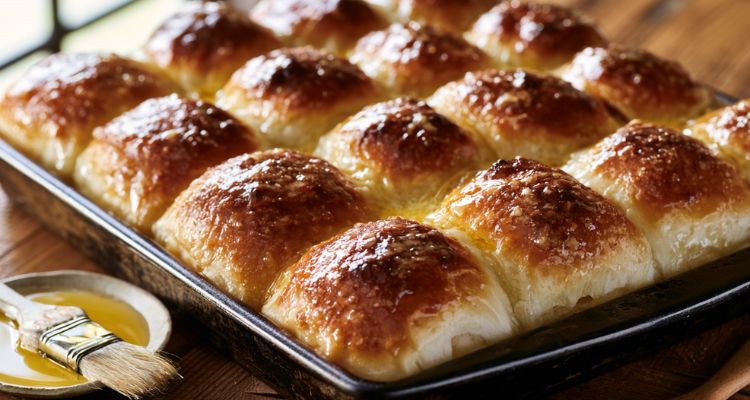
Ree Drummond’s Pioneer Woman potato rolls fold freshly mashed potato into a buttery yeast dough at about 140 calories per roll. This batch from thepioneerwoman.com yields 24 pull-apart rolls in 3 hours and 15 minutes, and most of that is just rising time.
Freshly mashed potato goes right into the dough here, which replaces part of the flour and adds moisture that regular rolls lack. Ree warns against using leftover mashed potatoes though, because the cream and butter already in them throw off the dough proportions.
The step that decides everything is cooling the reserved potato water to 130 degrees, because hotter water kills the yeast. Water that is too cool won’t activate it either, so check with a thermometer before you pour it into the flour.
Source: thepioneerwoman.com, no specific cookbook credited on the page
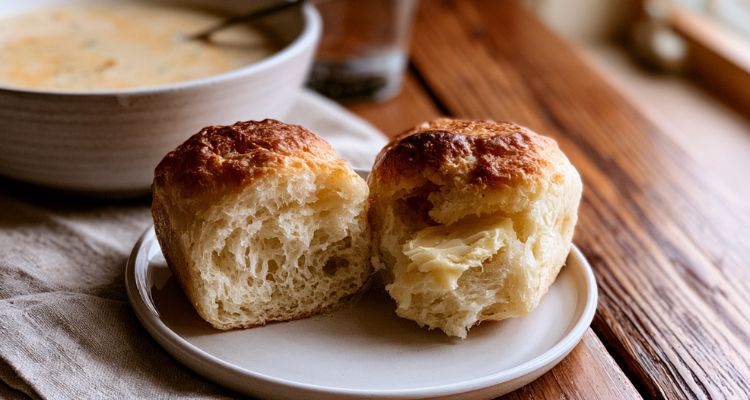
Pioneer Woman Potato Rolls
Course: UncategorizedCuisine: AmericanDifficulty: Easy16-24
servings30
minutes40
minutes300
kcalTwo rises turn a potato-enriched dough soft and pillowy before the rolls bake side by side in a 9-by-13-inch pan. An egg wash and a final butter brush go on at the end, which gives each roll a golden, glossy top.
Ingredients
2 medium Yukon gold or russet potatoes, peeled and quartered
4 1/4 cups all-purpose flour, divided
1/4 cup sugar
2 1/4 teaspoons salt
1 package (2 1/4 teaspoons) instant yeast
2 large eggs
6 tablespoons unsalted butter, at room temperature
- For assembly and finishing:
Cooking spray
1 large egg beaten with 1 tablespoon water (egg wash)
2 tablespoons unsalted butter, melted
Directions
- Boil the potatoes: Cover the quartered potatoes with water in a saucepan, then bring it to a boil over medium-high heat.
- Cook until tender: Reduce the heat and simmer for about 20 minutes until the potatoes break apart easily with a fork.
- Reserve the cooking water: Scoop out 1 1/2 cups of the cooking water before draining, since this water activates the yeast later.
- Mash the potatoes: Mash the drained potatoes until completely smooth, which should give you about 1 cup of mashed potato.
- Cool the water: Let the reserved potato water cool to 130 degrees, because hotter liquid kills the yeast on contact.
- Combine the dry ingredients: Stir together 2 cups of flour, the sugar, salt, and instant yeast in a stand mixer bowl.
- Add the warm water: Pour in the cooled potato water and mix on low with the dough hook until everything is combined.
- Add the potato and eggs: Mix in the mashed potato and 2 eggs until the dough comes together in a shaggy mass.
- Add the butter: Drop in the 6 tablespoons of softened butter, then mix until the dough absorbs it completely.
- Knead the dough: Gradually add the remaining 2 1/4 cups of flour, then knead on medium-low for 8 minutes until smooth.
- First rise: Transfer the dough to a greased bowl and cover it, then let it rise for 1 hour until doubled in size.
- Shape the rolls: Punch down the dough and divide it into 24 equal pieces, then roll each piece into a smooth ball.
- Arrange in the pan: Place the balls in a greased 9-by-13-inch pan so they sit snug against each other.
- Second rise: Cover the pan and let the rolls rise for 35 to 45 minutes until they look puffy and crowded.
- Brush with egg wash: Brush the egg wash over each roll before baking, since this is what gives them their golden color.
- Bake: Bake at 350 degrees for 25 to 30 minutes until the tops turn deep golden brown all over.
- Brush with butter: Melt the remaining 2 tablespoons of butter, then brush it over the hot rolls right out of the oven.
FAQs
Should I use Yukon gold or russet potatoes?
Yukon golds hold more moisture and mash smoother, so the dough comes together faster with less sticking. Russets absorb more flour and produce a slightly drier roll, which works better if you plan to use them for sandwiches.
Either way, peel and quarter the potatoes to the same size so they cook evenly in 20 minutes. Uneven pieces leave hard chunks in the mash, and those lumps show up as dense pockets inside the finished rolls.
Can I shape these into burger buns instead of pull-apart rolls?
Divide the dough into 16 pieces instead of 24 for burger buns, since the larger portions need more room to spread. Space them 3 inches apart on a parchment-lined sheet pan, because they expand outward without a pan wall to hold them.
Flatten each piece into a disc about 3/4 inch thick before the second rise, so they hold a wide shape instead of balling up. Add 3 to 5 extra minutes of baking time, because the thicker centers take longer to cook through than the thinner pull-apart rolls.
How do I store leftover potato rolls?
The rolls keep at room temperature for up to 3 days in a sealed zip-top bag. Potato starch holds moisture longer than regular bread dough, so they stay soft without refrigeration. After 3 days they start to dry out though, and the freezer works better for anything beyond that.
Frozen rolls last up to 2 months in a sealed freezer bag with the air pressed out. Thaw them on the counter for an hour before warming at 300 degrees for 5 minutes, which brings back the soft texture.
Can I prepare the mashed potatoes ahead of time?
You can boil, mash, and refrigerate the potatoes up to 3 days before mixing the dough, which saves time on baking day. Press plastic wrap against the surface of the mash before sealing the container, since this stops a dry skin from forming on top.
Bring the mashed potatoes to room temperature before adding them to the mixer, since cold potato tightens the dough and slows the first rise. The reserved cooking water also keeps in the fridge for the same 3 days, so you can prep both at once.
What dishes pair well with these potato rolls?
These rolls soak up sauces and gravies, so they work best next to dishes with a rich broth or pan drippings. Ina Garten’s shrimp bisque is a strong pairing, because the creamy soup turns each torn roll into a warm bite.
For a holiday spread, set them beside roasted turkey or braised short ribs, since the mild potato flavor does not compete with bold meat seasonings. A simple salad with vinaigrette rounds out the table, and the acid from the dressing cuts through the butter in the rolls.